The Issue
Being a kid is so much different nowadays, and when you look at all the new Fortnite and TikTok dances, it’s easy to see that the most notable cause of change in the youngest generation is the prominence of technology in their lives. But other than your stereotypical technology addiction, living in a world where there’s a screen everywhere you look has devastating effects on childhood. Information and news about current events is easily-accessible and everywhere; knowledge about societal problems – knowledge that shouldn’t be introduced at such a young age – is completely unavoidable.
Females are told that their worth comes from their beauty, a harmful societal standard that reaches a younger and younger community as time goes on. According to the American Journal of Psychiatry, “social media has amplified age-old pressures for teenage girls to conform to certain sexualized narratives, as well as opened up new and uncharted ways for them to do so.” As a result, the National Eating Disorders Association found that the incidences of anorexia have increased in adolescent girls over the past 50 years. At such a young age, girls are being pressured by social media to worry about their appearances at the expense of their physical health.
But the problems don’t end there. A report by the Congressional Black Task Force states that “The suicide death rate among Black youth has been found to be increasing faster than any other racial [or] ethnic group.” But with TV news broadcasts showing kids like Tamir Rice, a 12-year-old African American boy being shot by police for holding a toy gun, or Trayvon Martin, a 17-year-old Black teen killed after buying a bag of skittles, it’s unsurprising that young Black kids are losing their sense of hope in society at earlier and earlier ages (BBC News).
However, the struggles with technology don’t only affect minority groups but the entirety of the youngest generation. Data from the CDC found that “The suicide rate for persons aged 10–14… nearly tripled from 2007 to 2017.” Moreover, Psychology Today reports that various studies by universities across the United States have all pointed to “dramatic increases in anxiety and depression—in children as well as adolescents and young adults—over the last five or more decades.” What is the cause of this? Many studies blame the worsening mental health of the youth on exposure to harmful ideas in the media. One example of this occurred just recently. On August 31st, a man named Ronnie McNutt brutally committed suicide on Facebook livestream, which was then recorded and posted everywhere kids might see it (New York Post). The horrific clip of McNutt’s shot to the head was hidden in TikTok and YouTube videos simply to shock their young audiences as a joke. People filmed children’s reactions to the video, which can only be characterized by terror and disbelief.
But the need for progress in the treatment of mental disorders remains persistent. According to the Mayo Clinic, “No medications are approved to treat anorexia because none has been found to work very well,” and with anorexia’s high risk of relapse, it remains one of the most deadly mental disorders. In addition, the US National Library of Medicine found that “disparities in access to and intensity of quality mental health services appear to persist for racial [or] ethnic minority children, who are more likely to receive less and inferior health services,” and thus access to mental health care for minorities still must be expanded. The American Bar Association points out that the mental health of children in America is unprioritized, causing “only 20 percent [of mentally disordered children to] receive any mental health treatment, and of those who do receive mental health treatment, only 7 percent receive appropriate treatment.” Research in child psychiatry is increasingly necessary, not only due to the worsening mental health of modern children, but also because services aren’t easily accessible – or even existent – in the status quo.
Our Mission
Be Heartistic is a nonprofit that aims to use art to support Phoenix Children’s hospital with the funding they need to help the youngest generations with their worsening mental health. Our mission statement:
“Help paint a better future.”
Phoenix Children’s
100% of the proceeds earned by Be Heartistic goes to support Mental Health and Psychiatric Services at Phoenix Children’s Hospital.
Phoenix Children’s is a nationally ranked pediatric hospital that provides comprehensive psychiatric treatment for a broad spectrum of mental disorders. Their integrative care programs look into biological, psychological, and social factors that affect patients, and they work closely with psychologists, medical staff, families, and even schools to give children the help they need. Even after patients are discharged, Phoenix Children’s provides care recommendations to minimize the risk of relapse.
All treatments for mental health at Phoenix Children’s Hospital follow the most up-to-date interventions, and much more is still being researched.
Meet the Artists
Nicole
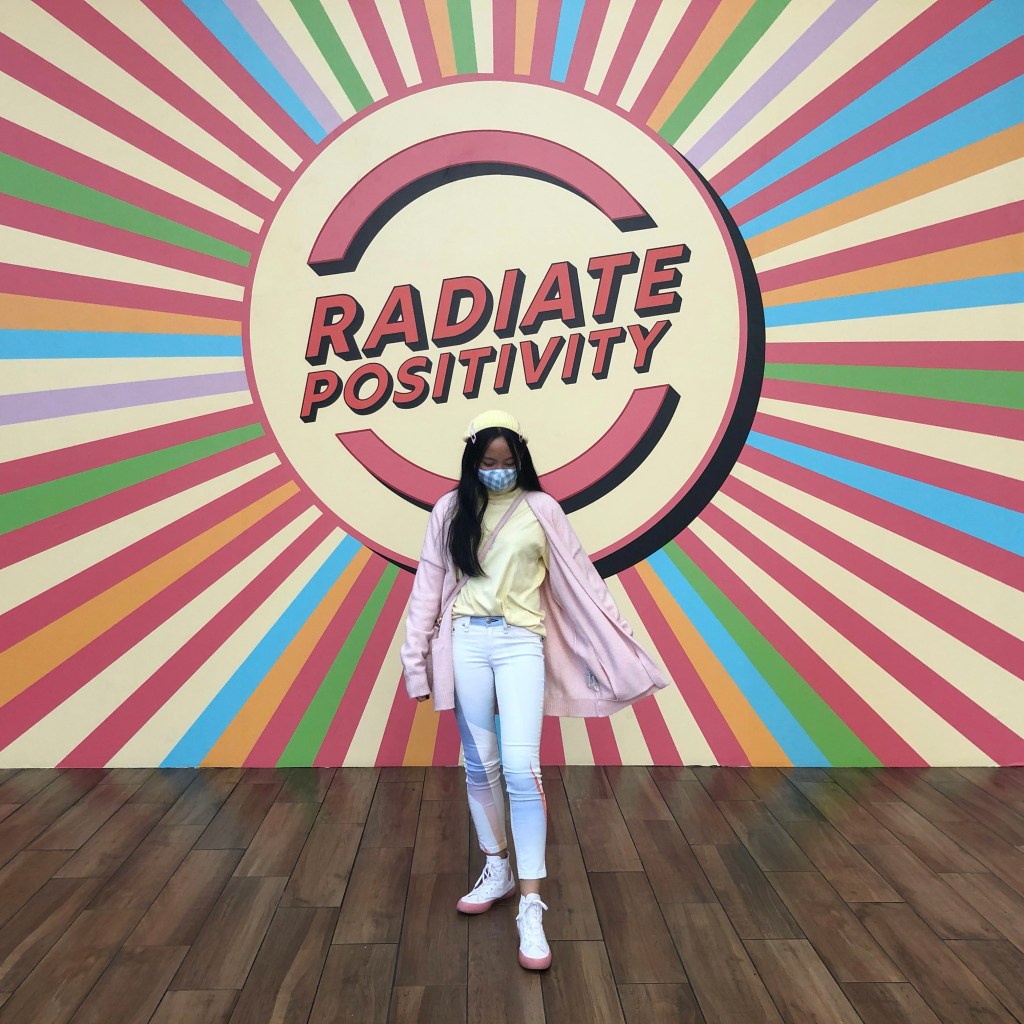
Hi! I’m a high school senior and the founder of this organization. Recently I began working for my local city government as a youth camp leader. Although guiding kids through fun activities never fails to brighten my day, I was stunned to find out that children nowadays aren’t as carefree as I remember. Instead of playing with toys, kids sit out of games to avoid ruining their outfits and hair, they create arts and crafts centered around protesting racism and violence, and they crack jokes about politics and their crippling mental health. I hope to one day become a pediatrician so that I can provide mental health services to these children in need.
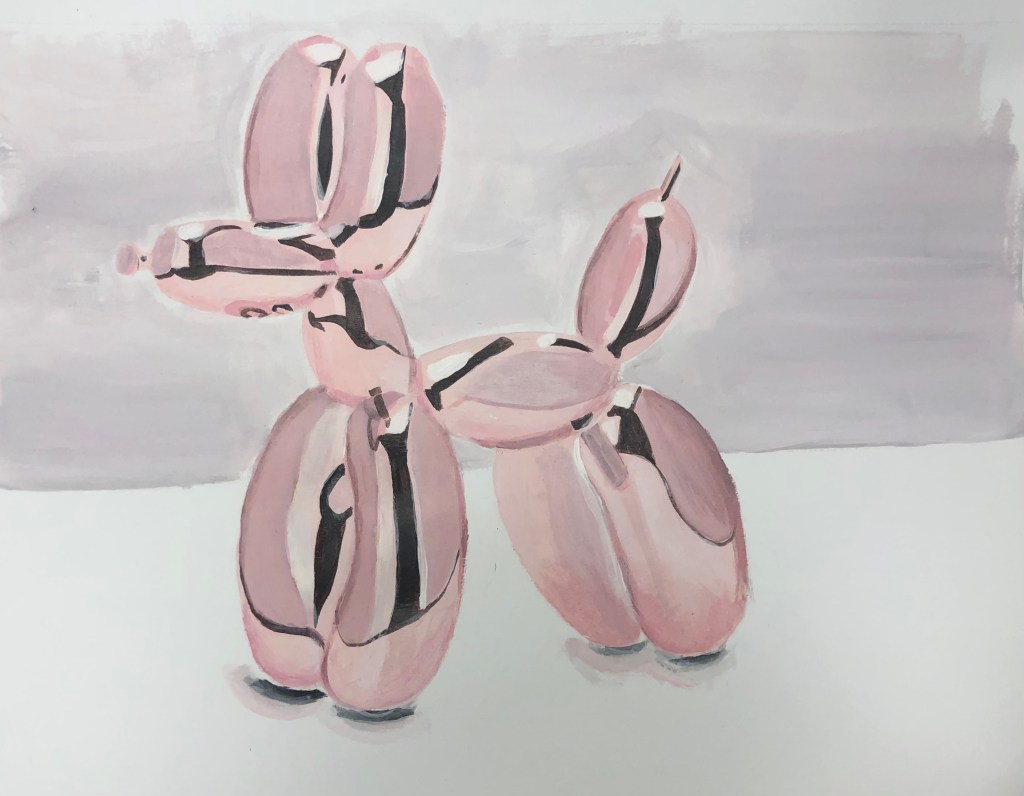
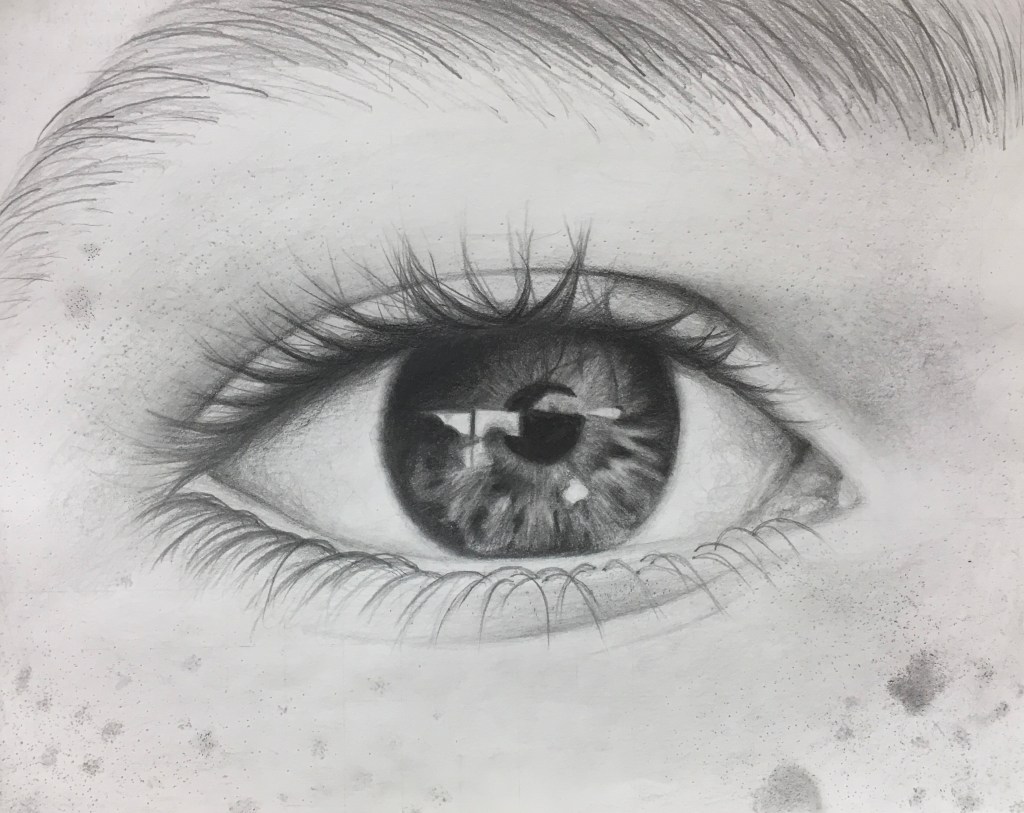
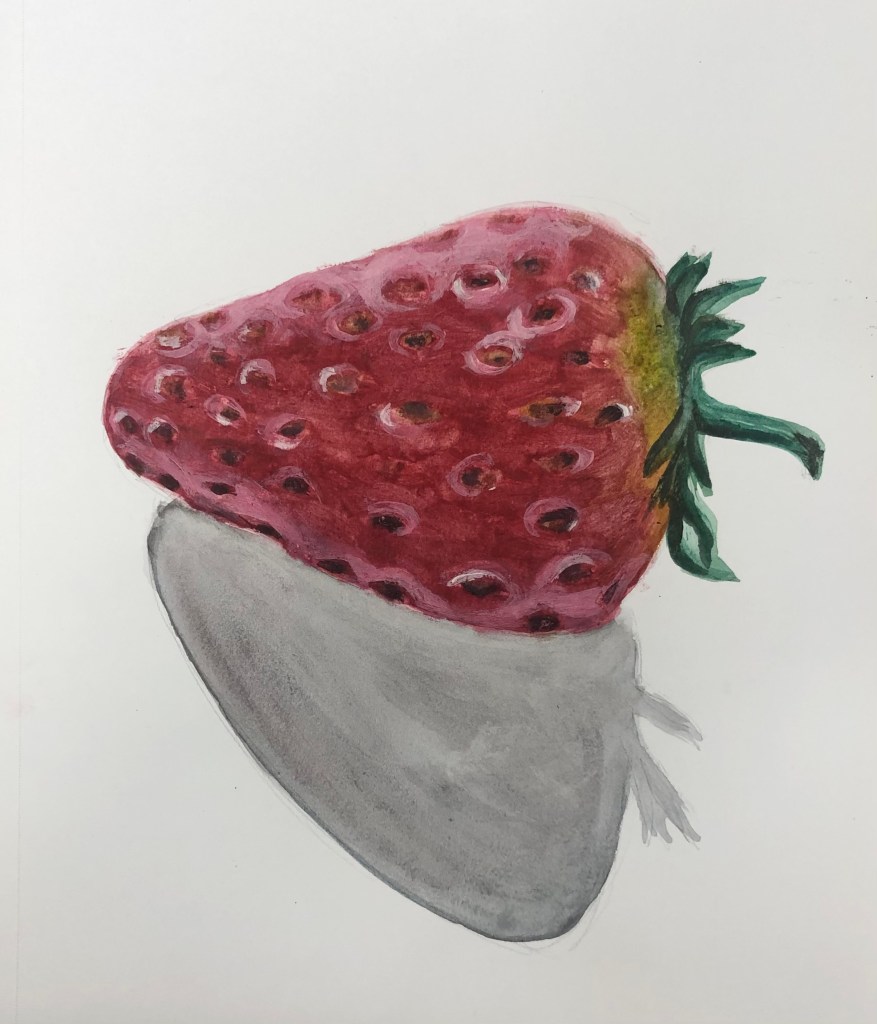
In the meantime, I hope to put my art skills to good use. In the past I’ve earned awards including 1st place Student Art in the Weaving category at the Arizona State Fair, as well as 2nd place Collage at my school district’s art show. I am now centering my AP Art Portfolio on the media’s effects on children to further spread awareness about the issue.
Nicole’s Art


Stay tuned! More artists will join us soon.
 Be Heartistic